Description
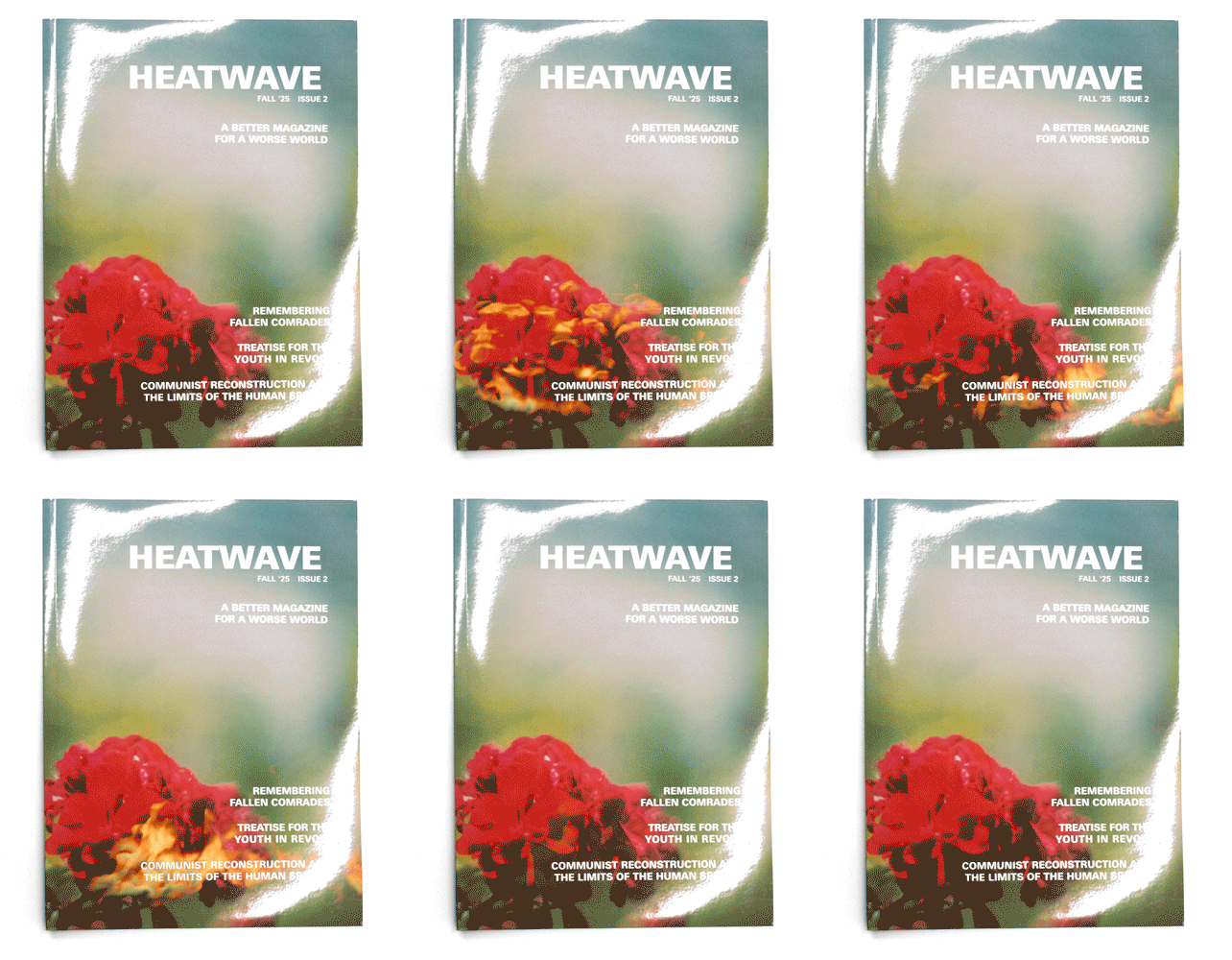
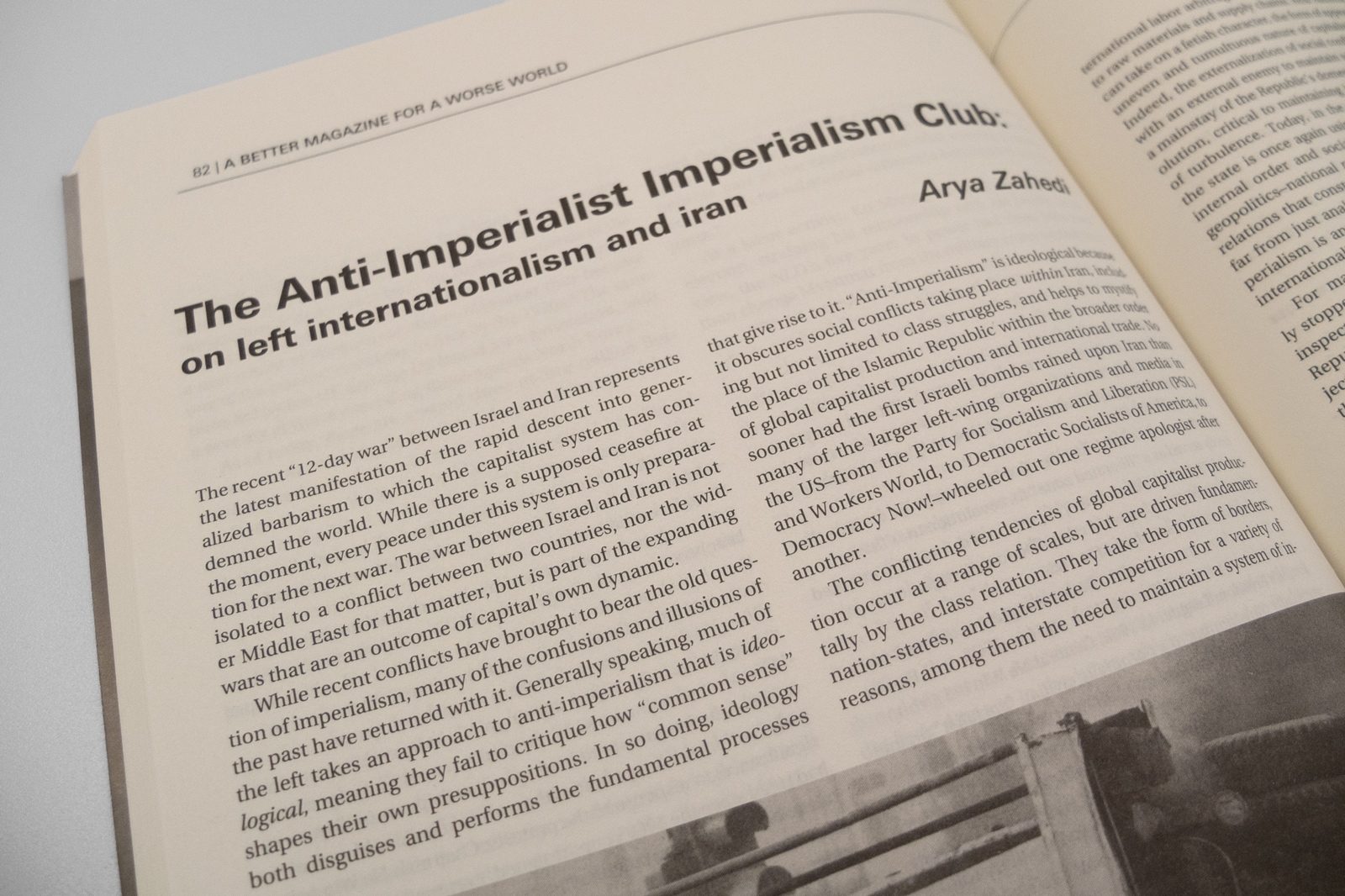
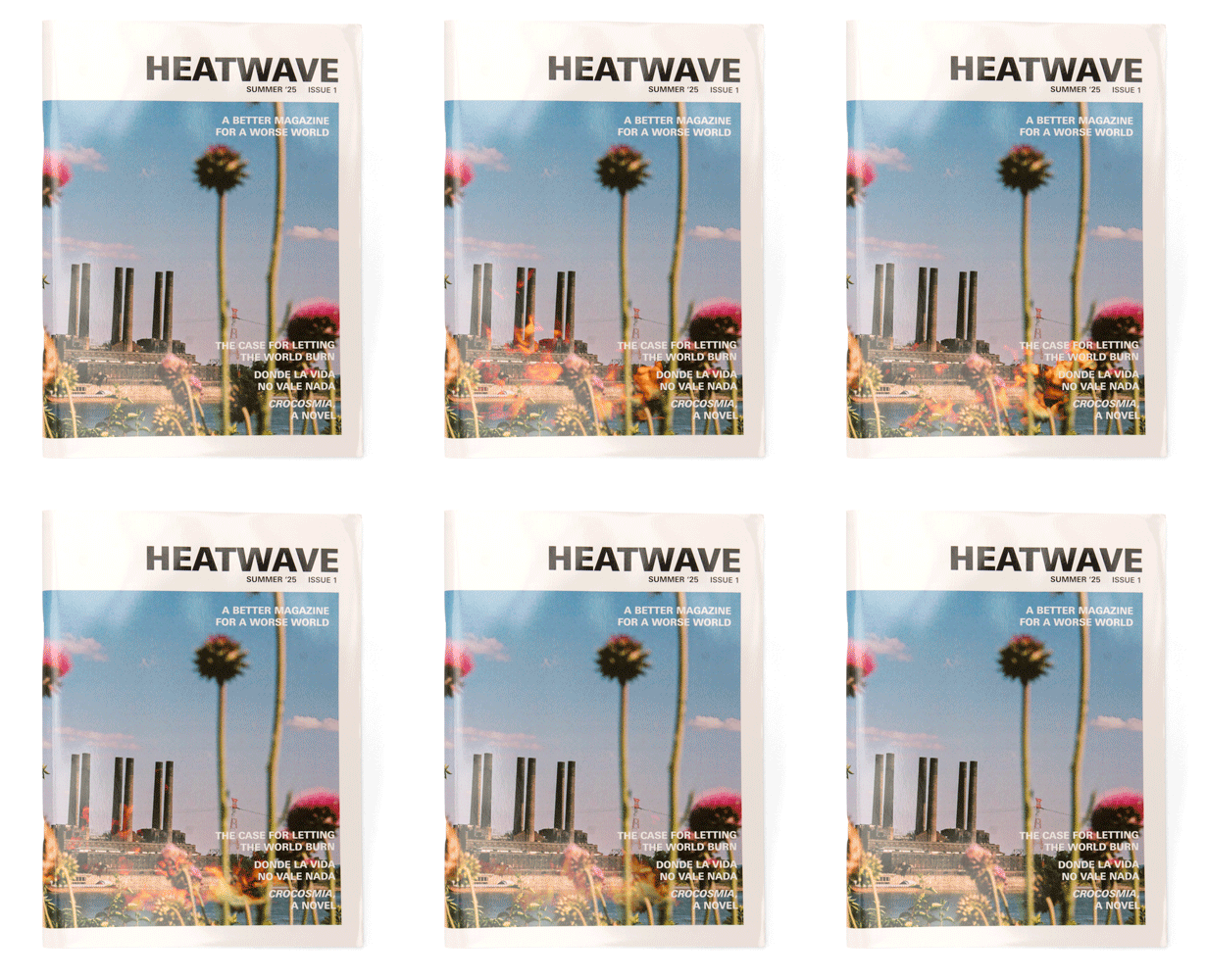
「熱浪」這一個詞呼應了1966年那本曾被譽為「英國最熾烈刊物」的情境主義雜誌的刊名。在夏季溫度屢創新高的當下,這個詞語比以往更顯緊迫。當氣候災害在統計數據中已成定局,而「反叛」則「命名了(其他)無數種「火焰」的形態——在這其中,包括了那種我們稱之為「共產」的奇特烈焰。但如今,我們須得在火焰的餘燼之中翻找它,方能將它再次辨認出來。
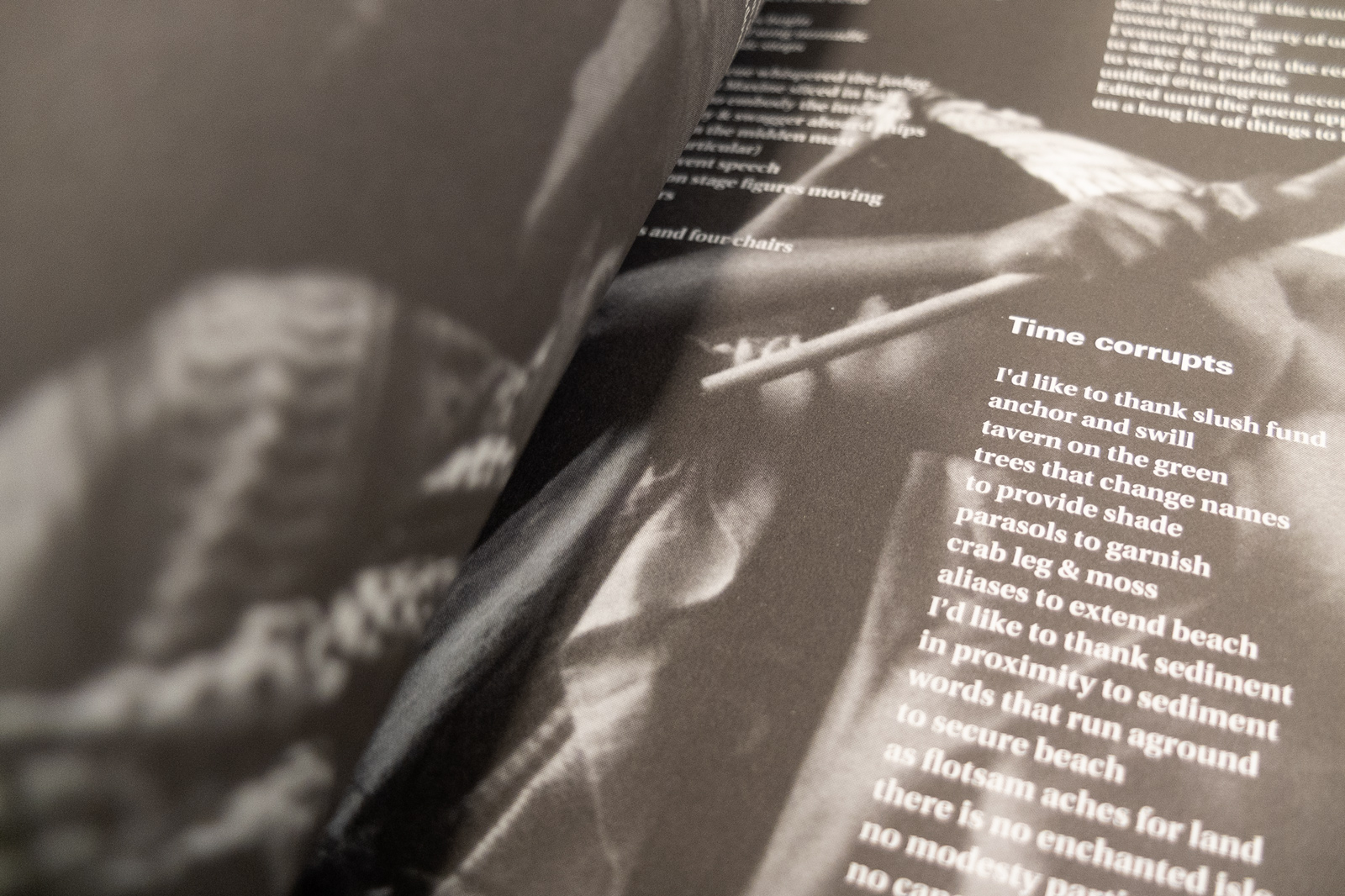
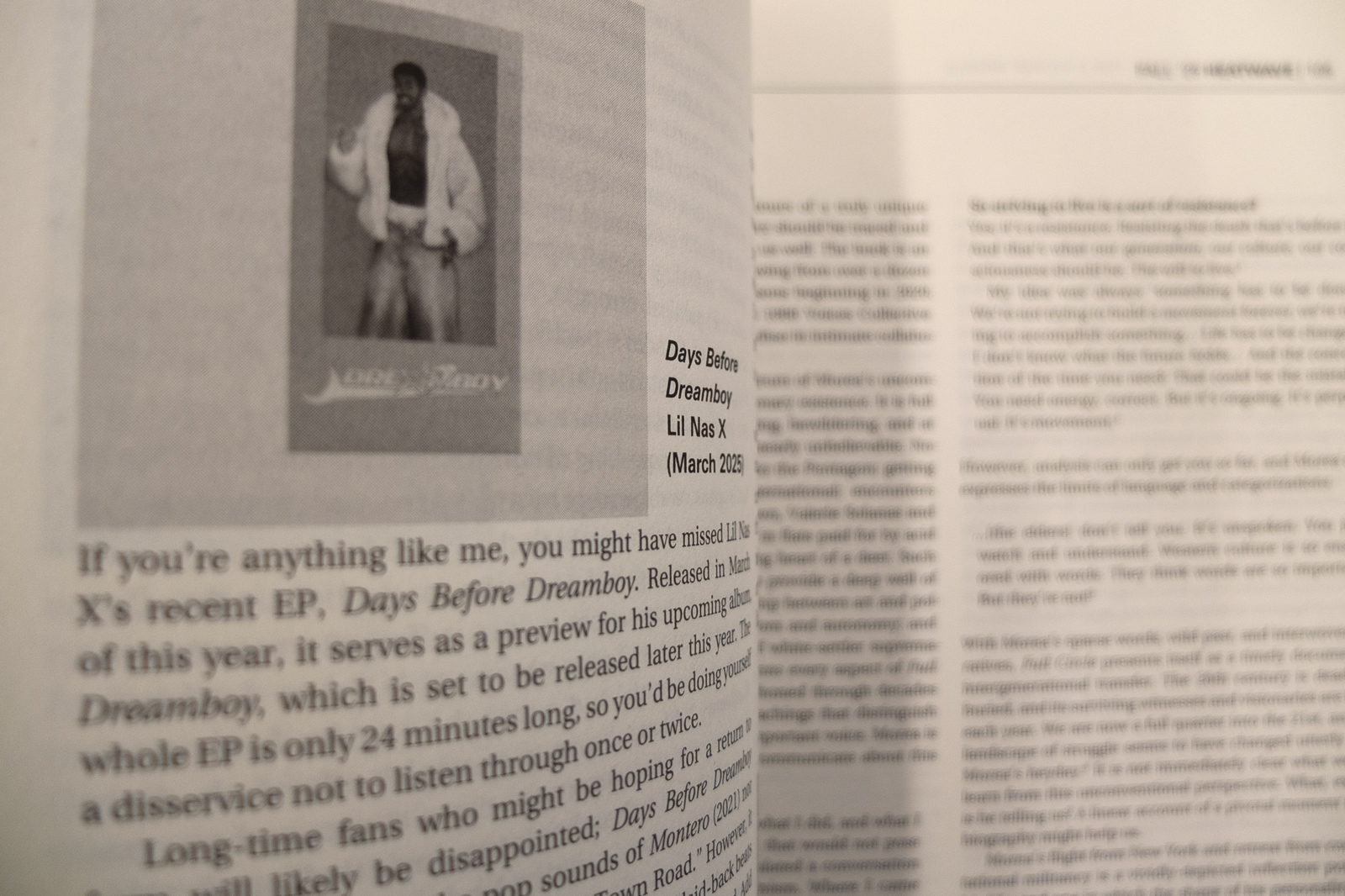
第二期《熱浪》匯聚了來自塞爾維亞、牙買加、印度、法國、伊朗、智利、美國、巴勒斯坦、日本以及泰國/緬甸邊境等地的多元視角,收錄的文章涉及對當代抗爭處境的長篇探討,對歷史運動及其遺產的反思,對生存、組織工作和社群保衛等日常活動的紀實等範疇和主題,跨度十分廣大。作為本刊踐行國際主義精神不可或缺的一部分,這批文章有不少為翻譯作品,其中有的只聚焦於特定地區的現狀,有的則遊走於更寬泛的議題上。J. Caurine將共產主義視為一種生態政治立場的理論探索,將那些滿足尋求涵蓋性分析的讀者;而對更宏大的運動動態感興趣的讀者,則能找到有關「施壓運動」復興為一種群眾策略的評述。在文化陣地上,本期除了有一批詩歌的加入,也收錄一些深入探討大眾文化的文章,內容涉及鄉村音樂、流行專輯以及音樂流派間的模糊邊界。
The name ‘Heatwave’ echoes that of an old Situationist magazine (‘Britain’s most incandescent journal’ of 1966), but with added urgency in an era where every summer is the hottest on record. While the statistical certainty of catastrophe is inescapable, ‘revolt’ names many species of conflagration, including that peculiar variety we call communism. We must sift through the ashes to find it.
In this second issue, Heatwave bring together perspectives from Serbia, Jamaica, India, France, Iran, Chile, the United States, Palestine, Japan, and the Thailand-Myanmar border. The articles range widely in scope and subject matter, from longer explorations of the conditions surrounding contemporary struggles to reflections on historical movements and their legacies to accounts of the daily work of survival, organising, and community defense. Many are works in translation, a practice Heatwave considers integral to its internationalist ethos, and while many of the pieces in this issue think through the conditions in a particular place, others rove over issues of greater breadth. J. CAURINE’s theoretical exploration of communism as a form of ecological partisanship will satisfy those looking for more sweeping analysis, while readers interested in larger movement dynamics will find an evaluation of the pressure campaign’s revitalization as a popular strategy. On the cultural front, this issue features poetry as well as multiple essays exploring popular culture, including meditations on country music, pop albums, and the porous boundaries between genres.



Reviews
There are no reviews yet.